I wanted to build something refrigeration people would actually want to spend time with. Something recognisable, a bit ridiculous in places, and interesting enough that you would come back for another shift.
I have wanted to do this for years. I had the ideas and knew the refrigeration world I wanted to build, but I didn’t have the capital or the game-development know-how to make it happen.
AI has changed what is within reach. With a little knowledge, a willingness to learn and a lot of back and forth, we can now turn an idea into something people can actually use. For me, that has opened a door I had been looking at for a very long time.
The refrigeration knowledge still has to come from somewhere. Someone needs to recognise when a pipe goes nowhere, a valve sequence makes no sense or the plant response is wrong. AI gives me a way to build and revise the experience around that knowledge. There is still plenty of checking, testing and fixing involved.
That became Jungle Juice. A 2D arcade game set inside Breakwater Fish Works, a fictional fish factory with an ageing ammonia plant, a crew of distinct characters and rather a lot going on behind the machinery-room door.
The current version is for refrigeration people. The equipment, humour and tasks come from our world. Underneath the running, climbing and occasional bucket of chicken, we are building a setting where people can explore how a plant behaves and what their decisions change.
Traditional LMS is dead. That’s how it has felt.
Over the last few years, I have watched what happens with our eLearning. The very committed or already interested learners tend to keep going. Getting everyone else through a conventional course is much harder. And from what I have seen, the problem reaches well beyond refrigeration.
They can be painful. Open the module, work through the slides, answer the questions, get to the end. We have all been there. There may be useful information in the course, but the format asks a lot of someone who is already busy and has little appetite for another screen of content.
That is my experience of the format, rather than a measured claim about every learning platform or every learner. The need for training and good records remains. What I wanted to change was the experience of taking part.
With Jungle Juice, there is a plant to explore, a fault to investigate and a consequence to understand. Someone can become curious about why a machine stopped before we ask them to sit through the explanation. The teaching then has a problem to connect to.
A game still has to earn the learner’s time. We will need to test whether people return, what they learn and whether that understanding carries into their work. But I would much rather build towards an experience people choose to come back to.
Why build it?
Explaining an ammonia plant on a whiteboard is useful. Walking through a real plant is better again. But neither gives us unlimited freedom to create faults, interrupt cooling, test an isolation sequence or let someone discover the consequence of a poor decision.
A game gives us somewhere to do that. We can put a learner in front of a problem, let them investigate and then talk about what happened. They can return to the same situation and try a different approach without releasing refrigerant or interrupting a customer’s production.
I also wanted to make room for curiosity. People notice things when they are allowed to explore. They follow a pipe, look for a valve, check a gauge or wonder why a compressor has stopped. Those are useful beginnings for a technical conversation.
The public arcade version is the first step. It gets people into the plant, gives them something to do and helps us develop the environment before building more structured training around it.
A fish factory with a bit of character
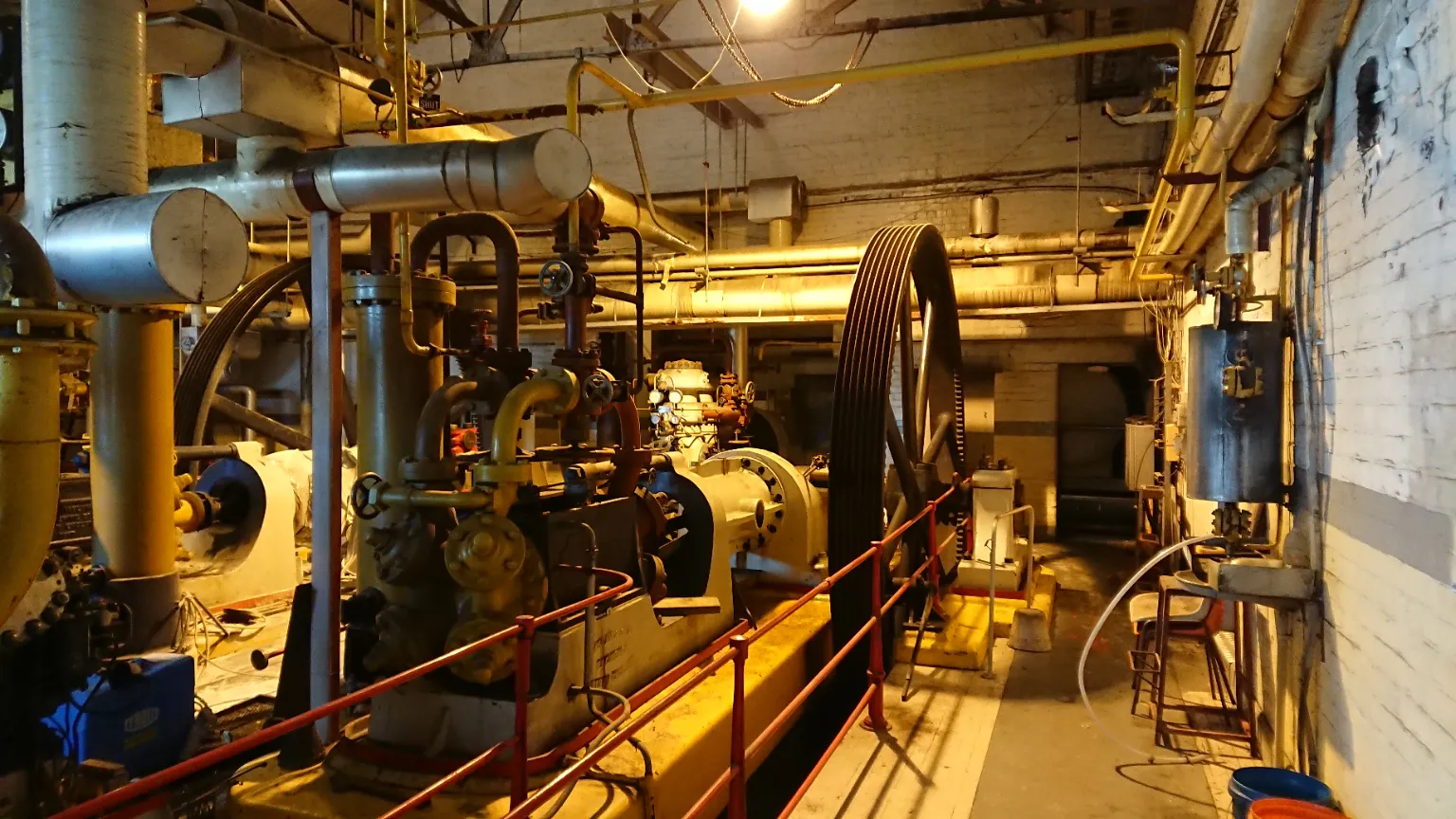
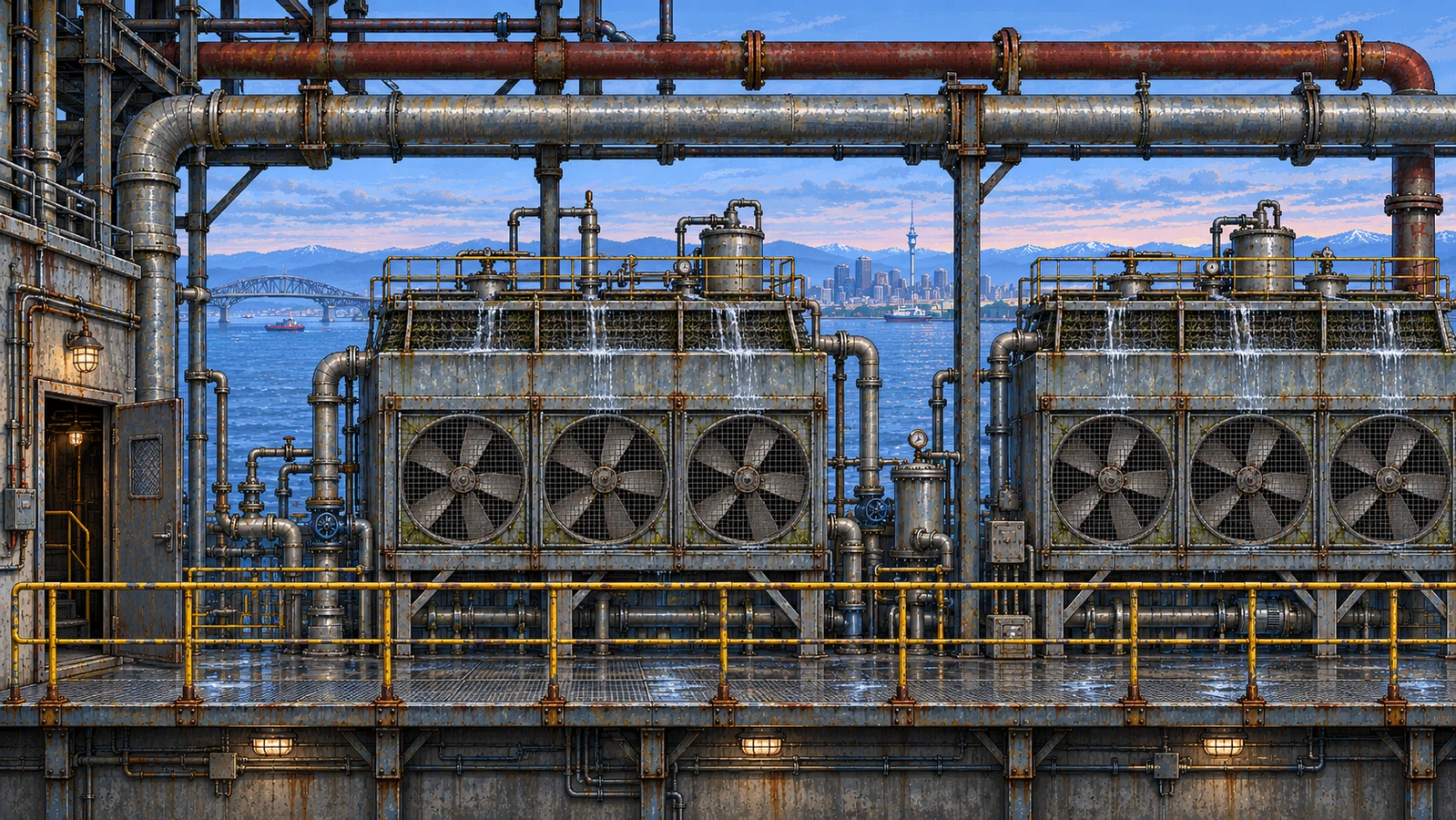
Breakwater Fish Works is deliberately familiar. Pipework overhead, old compressors, production equipment, an ice bunker, the control room and a condenser deck outside. An industrial place with a history, rather than a spotless demonstration plant.
There is a bit of Kiwiana throughout the build. Jelly Tips, chocolate fish and a rugged old plant. Those details give the place some of the character I wanted it to have.
To be honest, the factory and its name were inspired by the first industrial plant I ever set foot in. Breakwater Fish Works is fictional, but the inspiration is personal. And “Jungle Juice”? That is what my boss called ammonia. The name stayed with me.
The theme borrows from the side-scrolling games many of us grew up with. You choose your character, learn the controls and work through the shift. There is a score, a challenge and enough personality to keep the experience from feeling like another online module.
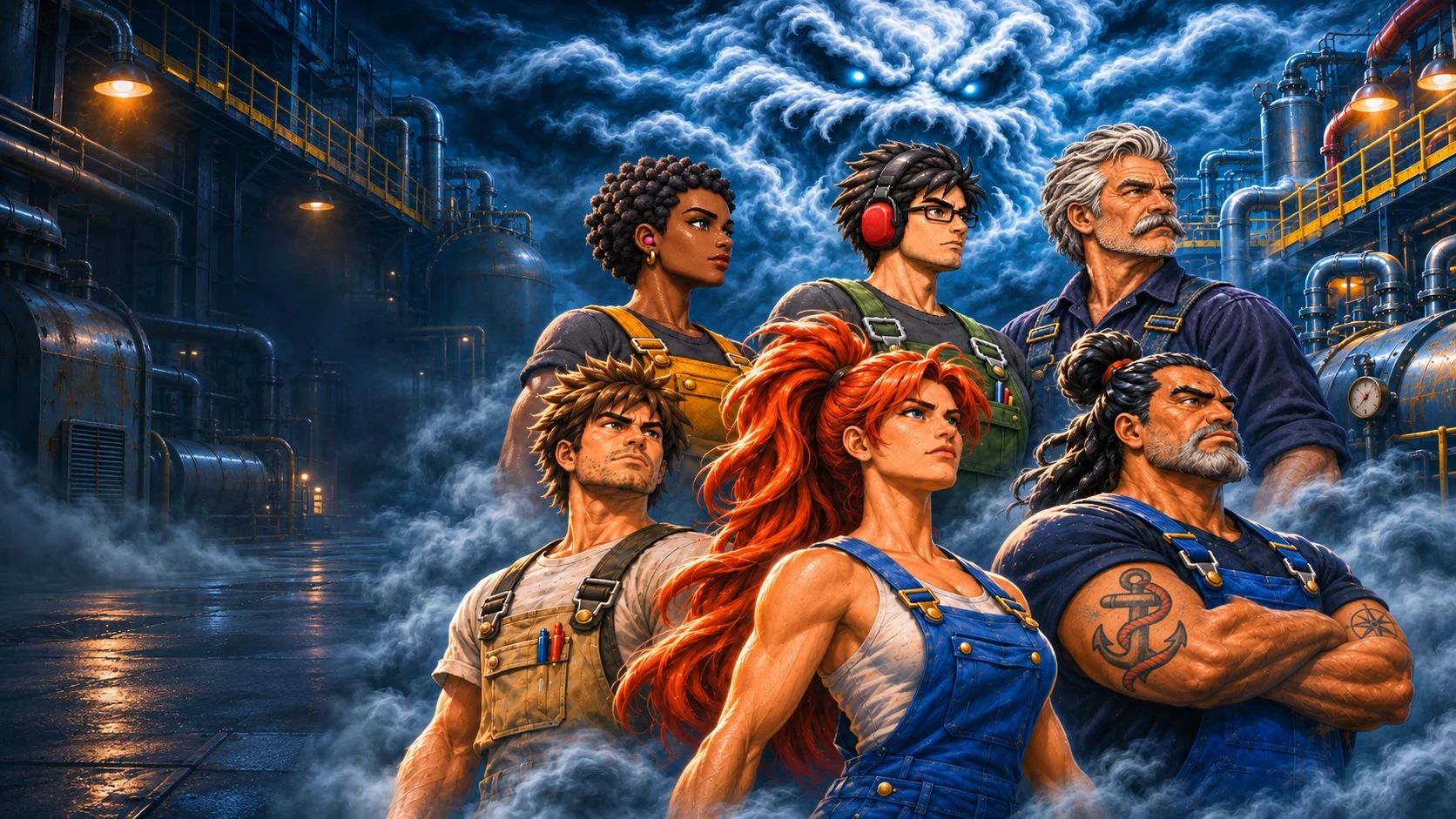
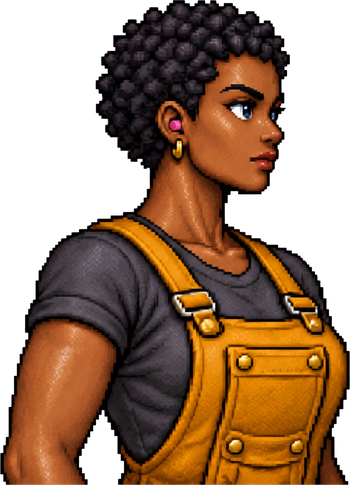
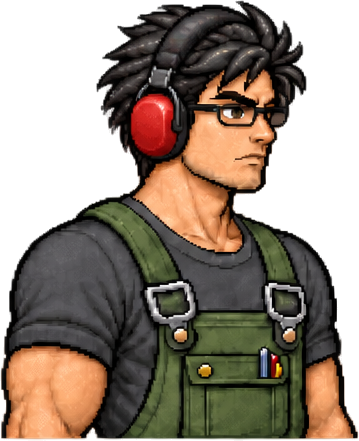
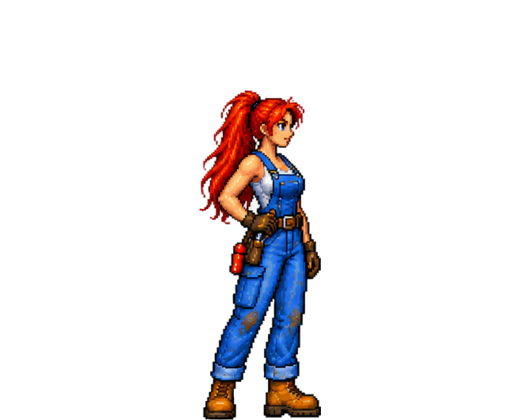
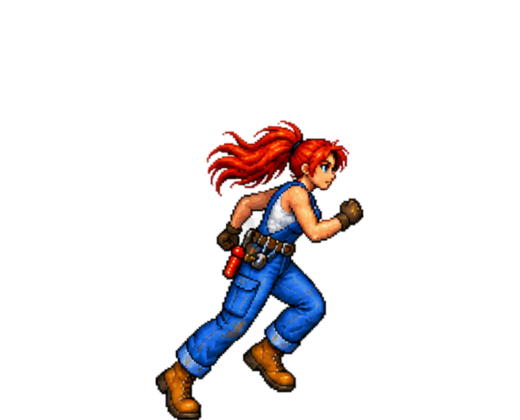
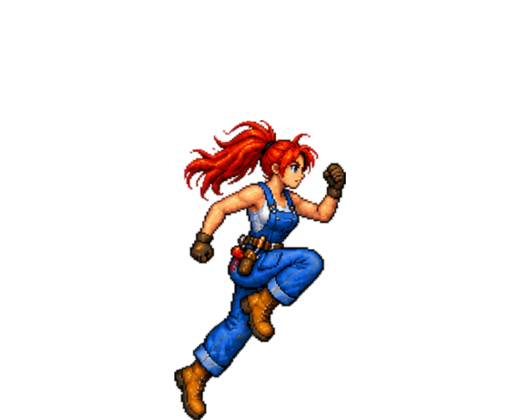
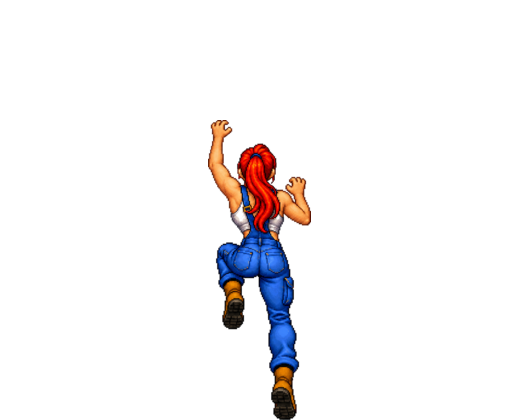
The characters matter too. Maisy, Tom, Tahi, Nia, Leo and Chief give the game its crew. Their portraits, movement frames and protective-equipment artwork have to stay recognisable as they run, climb, crouch and work. We have spent a fair amount of time on details most people will only see for a fraction of a second.




Why 2D, rather than VR or Unreal Engine?
VR was an obvious possibility. So was a detailed 3D environment built with a tool such as Unreal Engine. Both could support valuable training experiences. For this project, I wanted an accessible starting point and a format we could keep changing as the plant and teaching ideas developed.
VR describes a way of experiencing the environment; Unreal Engine is a tool for building experiences. They are different choices, and a future project could use both. Our decision here was to build a 2D game people can open in a browser.
That makes the first invitation straightforward: here is the link, have a go. No headset session to arrange. The game can be used on a shared screen during training, explored between sessions, or opened by someone who simply wants to see what the fuss is about.
The side view also suits the way I want to explain the plant. You can see the equipment, routes and relationships across a scene. We can make a valve, level indication or stopped machine visible without asking the learner to master moving a camera through a 3D space first.
Development is another consideration. We are changing pipework, equipment behaviour, character actions and scenarios as we go. The 2D format gives this project a manageable way to develop those ideas. Greater visual realism may be useful later; right now, the priority is making the decisions and plant responses worth exploring.
The back and forth is the real deal
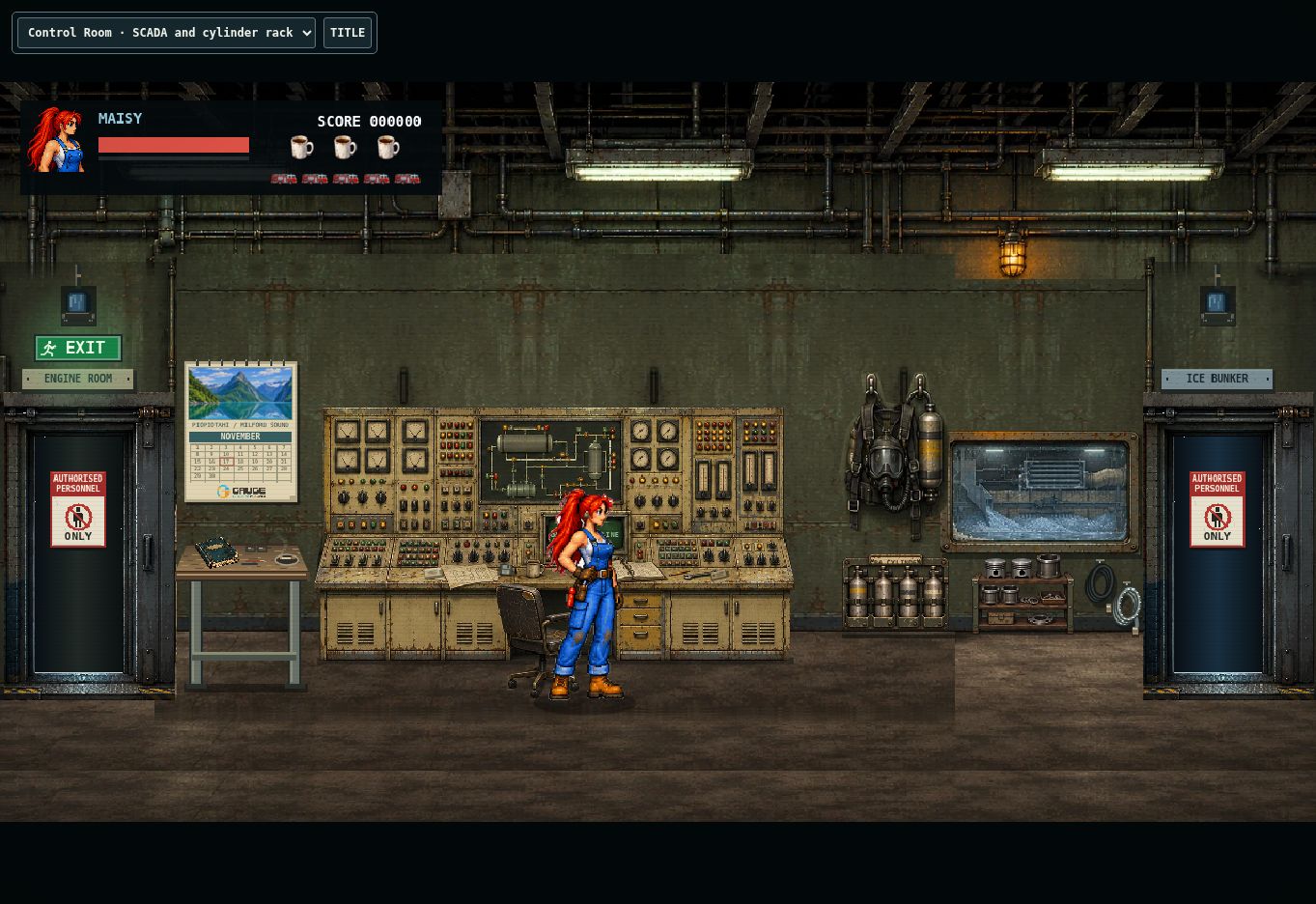
A refrigeration fault rarely gives you every answer in one place. You check the SCADA, go to the equipment, look at the local condition and find out what actually happened. Then you may need to return to the control room, correct another condition and reset or restart at the machine.
That back and forth belongs in Jungle Juice. It reflects the work.
If a compressor stops, I don’t want a large banner following the player around explaining the fault and handing over the answer. Go and look. Check the SCADA. Find the equipment. Work out whether the fault remains, whether the operating conditions have recovered and where action is required.
There is a useful distinction between clearing an indication, correcting a fault and returning equipment to service. The game gives us a way to make the learner experience that distinction. Reopening a valve should not magically erase every trip or restart every machine.
A connected industrial plant is taking shape
The ambition is a fully functioning simulated industrial refrigeration plant: multistage operation across three pressure zones, with the relationships between inventory, liquid feed, pumping, compression, heat rejection and load carried through the environment.
We are not claiming that complete model is finished. Parts of the behaviour are already connected. In the current build, closing the king valve changes downstream vessel levels, compressors stop in sequence and refrigerated spaces warm. Restoring the feed does not automatically restart the plant; readiness checks and local reset and start actions matter.
The ULT section adds its own makeup valve, pumps, level behaviour and trip conditions. The next development work is to extend and check those relationships so that a change in one part of the plant has a coherent effect elsewhere.
The simulation currently uses simplified, accelerated responses for gameplay. It is not a thermodynamic digital twin or a source of operating set points. The training value we are working towards is understanding cause and effect, recognising conditions and making a defensible decision about the next action.
And yes, there is a final boss
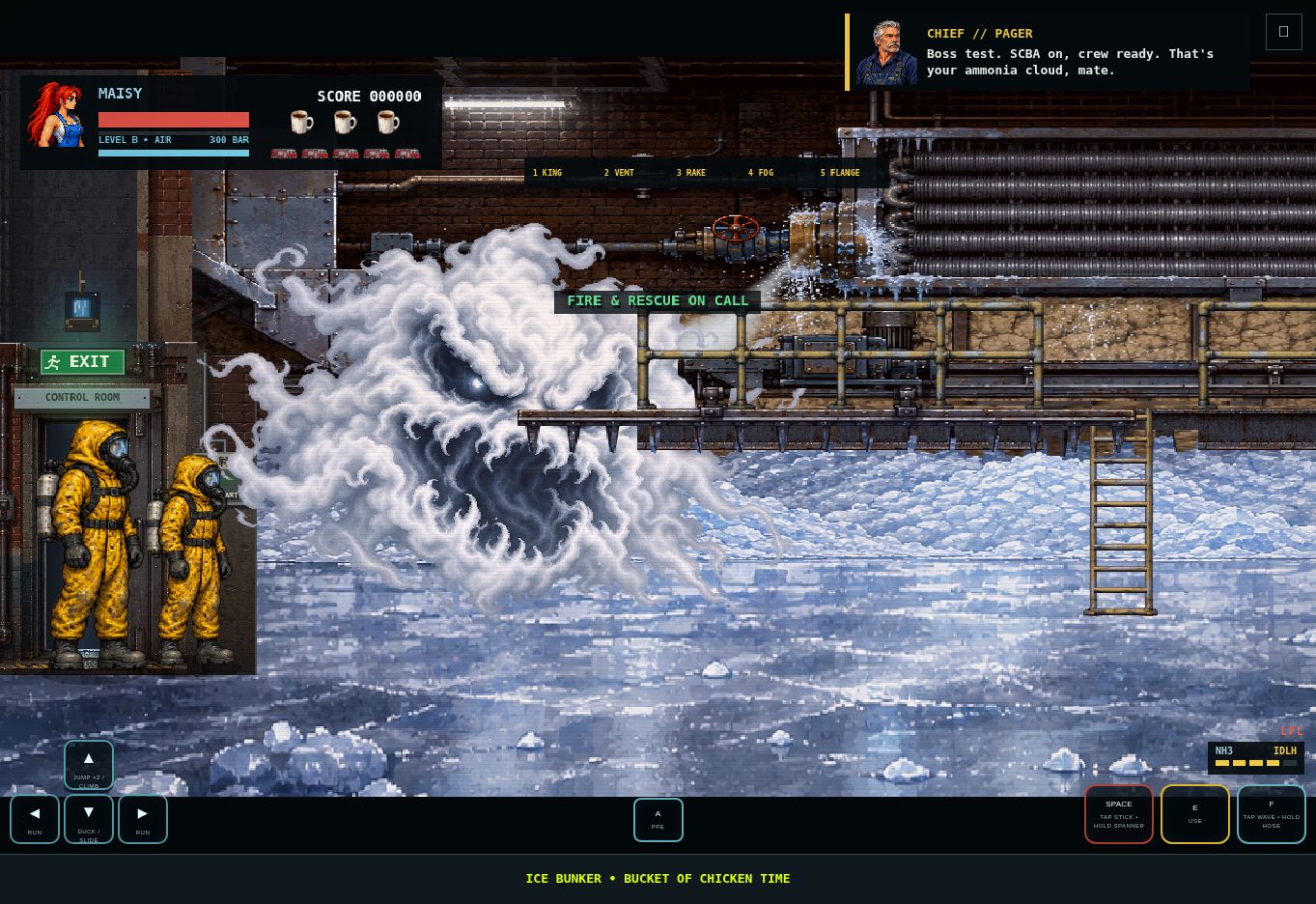
The ice bunker takes the arcade theme a little further. A large, animated ammonia cloud gives the player a very obvious problem to deal with. It is exaggerated, deliberately so, and sits within the game’s visual language.
The useful discussion sits underneath the spectacle: source control, ventilation, machinery isolation, access, protective equipment and the limits of the person responding. We can use a memorable scene to start asking more serious questions about the decisions made along the way.
Game actions and effects are simplified. In training, the facilitator needs to make clear which parts illustrate an idea and which parts are arcade fiction. A score or a successful boss encounter is not evidence that someone is competent to respond to an ammonia emergency.
Mk2: training, assessment and another level of duty
Mk2 is where we want to bring more structure to the learning. Defined scenarios, clear objectives, observable decisions and a debrief that explains what the learner did and why it mattered.
The current version puts refrigeration people into the plant. The next level of duty will bring a choice to operate as the WHS manager or Emergency Warden. The same developing incident can then be explored through different responsibilities, information needs and limits of authority.
The refrigeration role may investigate a trip and determine the technical condition of the plant. A WHS manager may need to coordinate risk information and response arrangements. An Emergency Warden may need to raise the alarm, direct protective actions, account for people and communicate what is known. Neither role should inherit a technician’s permissions simply because the character can reach a valve.
That gives us the possibility of teaching the handover between roles. What does the technician need to tell the warden? What information does the WHS manager need? Who can authorise an action, and when does the situation exceed the site’s capability?
| Available foundation | Mk2 development direction |
|---|---|
| Refrigeration-focused arcade play and an explorable plant | Role-based scenarios for refrigeration personnel, the WHS manager and Emergency Warden |
| Linked plant behaviours, local controls and SCADA interactions | A more complete, verified multistage plant model across three pressure zones |
| Scores, consequences and an end-of-shift learning recap | Objective-based assessment records, decision review and targeted feedback |
| A setting for discussion and repeat attempts | Facilitated exercises with defined criteria, learner evidence and workplace follow-up |
Those assessment features are the direction of travel, rather than a claim that an accredited assessment system is already available. We need to define the evidence, test the scenarios and establish what performance in the game can reasonably demonstrate. Practical competence still requires evidence in the workplace.
Big plans for our classes in 2027
We have big plans to bring Jungle Juice into our classes in 2027. We want learners to explore the plant, test the scenarios and discuss whether the decisions reflect the work they do.
The plan is to connect a facilitated game scenario with the technical teaching, ask learners to explain their decisions and revisit the scenario after discussion. We can then look at what changed and where uncertainty remains.
For me, that evaluation matters as much as the artwork. I want to record the learning objectives, what learners could explain before and after the exercise, the errors or misunderstandings that appeared, and the feedback that leads to changes in the training.
Those results are still ahead of us. They will give us a much stronger account of the project’s contribution than simply saying people enjoyed playing it. That is the evidence we need to show whether the format is improving the training.
Where the format could go
Once the environment and plant behaviour are dependable, we can change the scenario without rebuilding the whole factory. A different fault. An unavailable safeguard. A maintenance handover. A decision about whether the site team has enough information and capability to act.
There is room for induction, fault-finding practice, emergency exercises, refresher sessions and assessment preparation. We could give different learners different information and use the same scene to practise communication between technical and emergency roles.
For now, we are building, checking and improving. There is plenty left to do. But the format gives us a useful place to bring industrial refrigeration, character and learning together, with a reason to come back for another shift.
Your next shift
Step into Breakwater Fish Works.
Have a go at the current arcade version. Explore the plant, find the faults and tell us what would make the next version useful in your training.
Play Jungle JuiceDevelopment status described as at 28 November 2026. Mk2 features and the planned use in our 2027 classes remain in development. This article records the project’s intent and development; learning outcomes will need supporting evidence from delivery.